


Does 80–100 TPH Stationary Asphalt Mixing Plant Fit Medium Contractors Working on Industrial Parks in Durban, South Africa?
Many medium contractors in Durban face a similar challenge: industrial park projects move fast, yet material supply often struggles to keep up. When you manage road upgrades, internal pavement networks, and warehouse access roads, you need stable asphalt output, predictable quality, and low operating risks. Because of this, many contractors ask me whether an 80–100 TPH stationary asphalt mixing plant can meet the demands of these projects. In this article, I share practical insights from the contractor’s perspective, so you can judge whether this capacity range is the right match for your work volume, budget, and future growth.

Why Medium Contractors in Durban Are Considering 80–100 TPH Plants
Before choosing plant capacity, it helps to understand the working conditions in Durban. The city grows quickly, and industrial park development keeps increasing. Internal roads, logistics yards, parking areas, and access routes require consistent asphalt supply. Because project sizes vary, contractors need a setup that balances investment with output stability. An 80–100 TPH plant sits in a sweet spot for many teams because it handles mid-scale daily demand without pushing operational costs too high.
As project owners demand shorter timelines and better quality control, contractors start looking for a solution that offers both efficiency and flexibility. This is where a stationary plant becomes attractive because it provides high-grade mixture consistency, reliable temperature control, and strong structural durability. Now, let’s explore whether the 80–100 TPH range aligns with real industrial park workloads.
Does 80–100 TPH Match Industrial Park Asphalt Demand?
Most industrial park road sections fall within 50–150 mm thickness depending on load requirements. Because of this, daily asphalt consumption often ranges from 400 tons to 900 tons. An 80–100 TPH asphalt plant South Africa produces around 600–800 tons per 8-hour shift. If you run a second shift, your total output can reach 1,000–1,600 tons. This gives medium contractors enough flexibility to follow fast project schedules without unnecessary waiting times.
Therefore, the capacity range fits well when contractors handle:
Internal road construction inside industrial parks
Logistics yard paving for heavy trucks
Warehouse driveway connections
Parking areas and loading zones
Periodic maintenance and resurfacing work
Moreover, Durban’s climate remains moderate. This helps the plant maintain consistent heating efficiency, which means the 80–100 TPH size performs steadily throughout the year. Since production and environmental regulations are also clear, contractors gain predictable operating conditions.
Now that we understand the demand level, we can look deeper into how this plant size performs in real daily operations.

Production Stability and Mixture Quality in Daily Operations
Medium contractors value stable production most because downtime immediately delays paving work. An 80–100 TPH stationary asphalt plant offers several operational benefits that directly support this need. It heats aggregates evenly, handles moisture efficiently, and maintains accurate mix ratios. These factors help your teams reduce waste and avoid inconsistent pavement layers.
The plant also works well with modified asphalt. Industrial parks often require tougher mix designs because of heavy truck traffic. The 80–100 TPH plant’s mixing system can manage polymer-modified asphalt and incorporate RAP material when needed. Because of this, contractors can cut material cost without compromising pavement durability.
Since production stability affects project reputation, contractors appreciate how this plant size keeps quality consistent even under long shifts. To expand this point, let’s compare how this capacity range impacts project timelines.
How an 80–100 TPH Plant Affects Project Speed and Cost Control
Durban industrial park projects operate on strict schedules. Delays can interrupt tenants' operations and cause financial penalties. With an 80–100 TPH plant, your teams can pave faster and plan daily working windows more confidently. When output stays predictable, your trucks stay on schedule, and your asphalt paving equipment rarely stops.
From a cost perspective, this capacity range helps you maintain a balanced operational budget. Fuel consumption stays reasonable, spare parts costs remain manageable, and the initial investment fits medium contractors more comfortably compared with 120–160 TPH plants. Because overhead stays lower, your total paving cost per ton also drops, giving you better competitiveness in the Durban market.
To manage long-term operations well, you also need to consider installation, maintenance, and local support availability.

Installation, Maintenance, and Long-Term Reliability
Medium contractors often prefer equipment that sets up fast and requires simple daily checks. An 80–100 TPH stationary plant meets this need because the structure stays compact while still delivering strong performance. It fits mid-size sites easily, and most installation tasks finish within a reasonable timeframe.
Maintenance routines also stay simple. You check burners, lubrication points, dust collector performance, and belt tension. Because the machine size is moderate, your technicians can handle most tasks without large downtime windows. This reduces operation stress and protects your production schedule.
However, long-term reliability depends heavily on after-sales service and supply of parts. For this reason—especially in South Africa—contractors prefer suppliers that provide fast technical support and stable spare parts delivery. This ensures the plant continues performing well even during peak project seasons.
When Should Medium Contractors Choose a Larger Plant?
Although 80–100 TPH fits most industrial park demands, some contractors still need higher capacity. You may need a 120–160 TPH plant if:
You handle multiple industrial park projects at the same time
Your clients require continuous night paving
You plan to expand into highway or large municipal projects
Your asphalt sales volume grows rapidly
If your workload stays steady and mainly focuses on industrial park infrastructure, the 80–100 TPH range remains a strong fit. But if your long-term business plan includes scaling your operations, a larger unit provides more room for growth. Because of this, your decision should consider not only current job volumes but also long-term strategy.
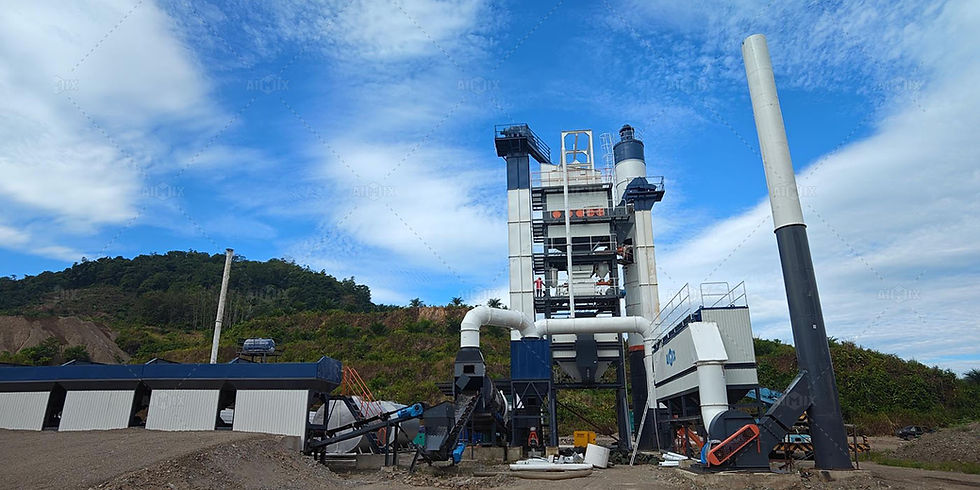
Is an 80–100 TPH Asphalt Plant the Right Choice for Durban Contractors?
When I talk with contractors in Durban, most say they want a plant that balances investment, output, and long-term stability. An 80–100 TPH plant fits this balance well. It produces enough asphalt for industrial parks, supports flexible work schedules, keeps operation costs manageable, and maintains high-quality mixture output. This capacity range suits contractors who seek reliability without overspending.
Since durability, efficiency, and consistent supply remain essential in Durban’s industrial sectors, this plant size often performs beyond expectations. It gives contractors the confidence to compete for more industrial park projects and deliver steady results.
Looking for a Reliable Asphalt Mixing Plant for Your Durban Projects?
If you want a plant that delivers stable output, strong quality control, and practical operating costs, I can help you choose the right configuration. I supply stationary asphalt plants to many contractors working on industrial parks, municipal projects, and logistics sites across Africa and Southeast Asia. I also provide installation support, engineer guidance, and long-term service.
Tell me your project size, asphalt demand, and timeline. I will recommend a configuration that fits your budget and your future growth. The right asphalt plant can protect your project schedule and improve your competitiveness in Durban’s industrial construction market.
Comments