


How Much Does a 120 t/h Asphalt Plant Cost in South Africa?
If you are planning a road construction or upgrading project in South Africa, cost is likely your first concern. At the same time, performance, reliability, and long-term return matter just as much. A 120 t/h asphalt plant often sits in the sweet spot for contractors who handle municipal roads, provincial highways, and medium-scale infrastructure projects.
So, how much does a 120 t/h asphalt plant cost in South Africa? The short answer is: it depends. However, the real value lies in understanding what you are paying for, why prices vary, and how to choose the right configuration for local conditions. This guide breaks it all down from a contractor’s point of view.
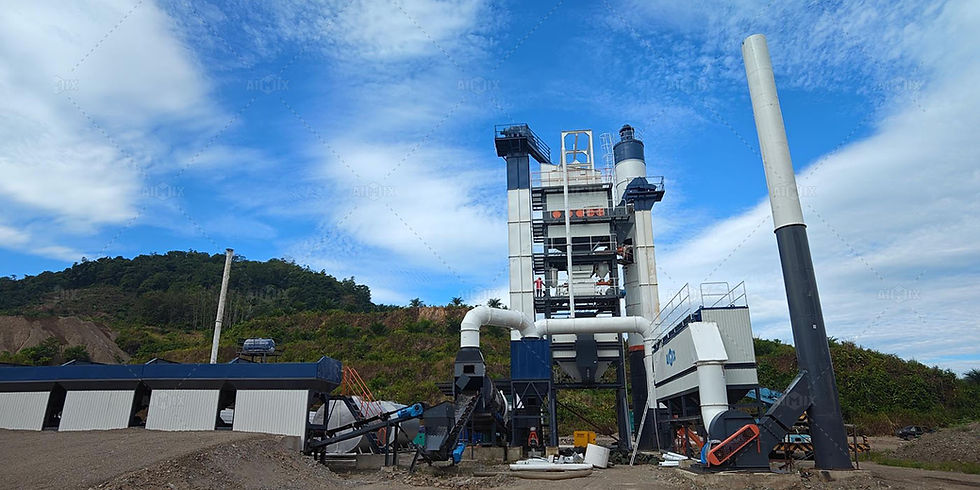
Why a 120 t/h Asphalt Plant Is Popular in South Africa
Before discussing price, it helps to understand why this capacity is so widely used. In South Africa, road projects often require stable output without overspending on oversized equipment.
A 120 t/h asphalt mixer plant offers that balance. It handles daily production targets efficiently. At the same time, it keeps fuel, labor, and maintenance costs under control. Because of this, many contractors see it as a practical long-term investment.
More importantly, this capacity suits both urban road rehabilitation and intercity road construction. It also adapts well to government-funded projects with strict timelines. As a result, demand for this model continues to grow.
What Is the Average Cost of a 120 t/h Asphalt Plant in South Africa?
Now let’s move to the question everyone asks first: price. In the South African market, the cost of a 120 t/h asphalt plant usually ranges from USD 180,000 to USD 420,000.
That range may seem wide. However, it reflects real differences in plant type, configuration, and origin. Understanding these factors helps you avoid wrong comparisons.
Key Price Ranges by Plant Type
Here is a general breakdown:
• Batch asphalt plant (120 t/h): USD 260,000 – USD 420,000
• Drum mix asphalt plant (120 t/h): USD 180,000 – USD 300,000
• Mobile asphalt plant (120 t/h): USD 240,000 – USD 380,000
Each type serves a different construction scenario. Therefore, the “best price” depends on how you plan to use the plant.

What Factors Affect the Final Asphalt Plant Cost?
To understand pricing better, we need to look beyond the base number. Several practical factors shape the final cost you pay.
Once you see these clearly, budgeting becomes easier and more realistic.
1. Plant Type and Mixing Technology
Asphalt Batch plants cost more because they offer higher mixing accuracy. They suit projects with strict quality standards, such as highways and airport roads.
Drum mix plants cost less. They run continuously and work well for long road sections with uniform asphalt formulas. However, flexibility is lower.
Therefore, your project type directly affects your budget choice.
2. Configuration and Optional Components
The base plant is only the starting point. Many South African contractors add options to improve efficiency.
Common cost-increasing options include:
• Hot oil heating system instead of diesel burners
• Larger bitumen tanks for continuous production
• Advanced control systems with recipe storage
• Dust collection systems meeting local environmental standards
Each option adds cost. At the same time, each one reduces operating risk and downtime.
3. Mobility vs. Stationary Design
If your projects change locations often, a mobile asphalt plant makes sense. It reduces dismantling and transport time.
However, mobile designs cost more than basic stationary setups. That extra cost often pays back quickly on multi-site projects.
4. Import Duties, Shipping, and Local Installation
Imported asphalt plants include additional costs. These usually involve sea freight, port charges, customs clearance, and inland transport.
In South Africa, these costs vary by port and distance to site. Local installation support also affects the final budget.
Because of this, transparent quotations matter a lot.
Operating Costs: What Happens After Purchase?
Purchase price is only part of the investment. Smart contractors also calculate operating costs from day one.
This step protects long-term profitability.
Fuel and Power Consumption
A 120 t/h asphalt plant for sale in South Africa consumes fuel mainly for aggregate drying. Efficient burners reduce fuel use significantly.
Electricity consumption depends on motor quality and control systems. Energy-efficient designs lower monthly expenses.
Maintenance and Spare Parts
Regular maintenance keeps output stable. It also prevents costly shutdowns.
Plants with standardized components offer easier spare parts sourcing in South Africa. That factor often saves more money than a lower initial price.
Labor and Control Systems
Modern asphalt plants need fewer operators. Automatic control systems reduce human error.
As a result, labor costs stay predictable and manageable.

Is a 120 t/h Asphalt Plant Profitable in South Africa?
From a business perspective, profitability matters more than price. Fortunately, this capacity offers strong earning potential.
On average, a 120 t/h plant can produce 800–1,000 tons per day. Even with conservative margins, payback periods often range from 1.5 to 3 years.
Government road projects, mining access roads, and private developments all contribute to demand. This stable market supports long-term returns.
How to Choose the Right Supplier
Price alone should never be the final decision factor. Instead, look at overall value.
A reliable supplier provides:
• Clear technical specifications
• Transparent pricing with no hidden costs
• Installation and commissioning support
• Operator training and after-sales service
• Long-term spare parts availability
These elements protect your investment far beyond delivery.

Why Many Contractors Choose Us
As an experienced asphalt plant manufacturer and exporter, we understand South African construction conditions. Our 120 t/h asphalt plants are designed for durability, efficiency, and easy operation.
We focus on practical configurations instead of unnecessary complexity. At the same time, we offer customization based on project needs. From layout planning to on-site commissioning, our team supports you at every stage.
Most importantly, we aim to help contractors succeed, not just sell equipment. That mindset builds long-term partnerships.
Final Thoughts and Call to Action
So, how much does a 120 t/h asphalt plant cost in South Africa? The answer depends on your project goals, configuration needs, and long-term plans.
When you look beyond the sticker price, the right asphalt plant becomes a powerful business tool. It boosts productivity, improves road quality, and strengthens your market position.
If you are planning a road project or expanding your asphalt production capacity, now is the right time to act. Contact us today for a tailored quotation and professional advice. Let us help you choose a 120 t/h asphalt plant that delivers real value for your business.
Comments